PhD Studentships - Behavioural Science of Creativity
Kingston University is offering 15 fully-funded PhD studentships. I am inviting applications from prospective doctoral candidates interested in exploring creativity through behavioural science methods, and will personally mentor up to three candidates to develop competitive proposals.
Application deadline for mentoring: 31 January 2026
University competition deadline: 4 March 2026
A New Research Direction
After two decades studying judgement and decision-making, my research has shifted from asking “What makes people rational or creative?” to a more productive question: “What environments, interactions, and conditions enable creative thinking and behaviour?” This reframing treats creativity not as an innate trait but as a process we can systematically study, predict, and design for.
The Opportunity
Kingston University is offering 15 fully-funded PhD studentships through a university-wide competition. I am inviting applications from prospective doctoral candidates interested in exploring creativity through behavioural science methods. I will personally mentor up to three candidates to develop competitive proposals.
Research Methods and Questions
Successful proposals will employ rigorous empirical methods to study creative processes. Potential methodologies include:
- Eye-tracking technology to examine attention patterns during creative practice
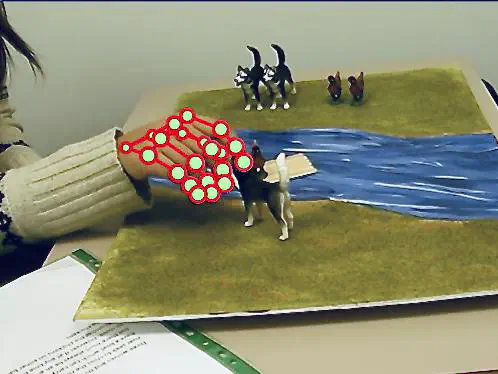
- Interactive experimental designs to investigate how physical manipulation of objects influences cognition
- Data science approaches to identify patterns in creative breakthroughs
- Field research in applied contexts (organisations, healthcare, sustainability) to test theoretical insights
Proposals might address questions such as:
- How does neurodiversity influence innovative problem-solving approaches?
- Can we predict the conditions under which individuals experience insight moments?
- What motivational factors sustain creative practice over time?
- How do humans and artificial intelligence systems collaborate effectively in creative tasks?
Application Process for Mentoring
Step 1: Submit a draft research proposal (1-2 pages) by 31 January 2026. Your draft must include:
- A clear, focused research question
- Proposed methodology
- Engagement with current creativity and behavioural science literature
- Articulation of the research’s significance
Step 2: I will review submissions and shortlist 2-3 candidates for mentoring.
Step 3: Shortlisted candidates will receive approximately three hours of individual mentoring to refine their proposals.
Step 4: Submit your revised proposal to the university competition by 4 March 2026.
Important: The mentoring process strengthens existing proposal drafts. Your initial submission should demonstrate substantial preliminary thinking about a specific research question, not early-stage ideas requiring development.
Additional Information
University competition details: Kingston University Studentship Competition
Industry partnerships: Organisations interested in sponsoring research on creativity, innovation, or behavioural change are invited to contact me regarding collaborative opportunities.
Self-funded candidates: Applications for supervision are welcome from self-funded doctoral candidates.
Timeline: Submit draft proposals as soon as possible to allow adequate time for the mentoring and refinement process before the March deadline.

Gaëlle Vallée-Tourangeau
Professor of Behavioural Science
My research explores creative cognition, sustainable decision-making, and behavioural change in creative, organisational and health contexts.